Conferences and day schools
Biennial Community Archaeology Conference
In 2026 join the Norfolk & Norwich Archaeological Society for a special one-day conference celebrating its 180th year with ‘Exploring Norfolk’s Past’, a day conference at the Thomas Paine Lecture Theatre, UEA.
Saturday 10th October 2026, 10.00am – 4.00pm
Since its inception in 1846, the Society has explored, celebrated and studied the archaeology and wider history of Norfolk. There is now more archaeological investigation taking place here than ever before.
Conference speakers include:
MARK HINMAN,
Director of Pre-Construct Archaeology
‘The Norfolk Carnyx Hoard – a discovery of exceptional rarity and importance, dating from a period of great change at the end of the Iron Age.
DR ALICE LYONS
Managing Editor, East Anglian Archaeology
‘How our understanding of Romano-British pottery production has changed over time.’
HEATHER WALLIS,
Professional Archaeologist and President of NNAS.
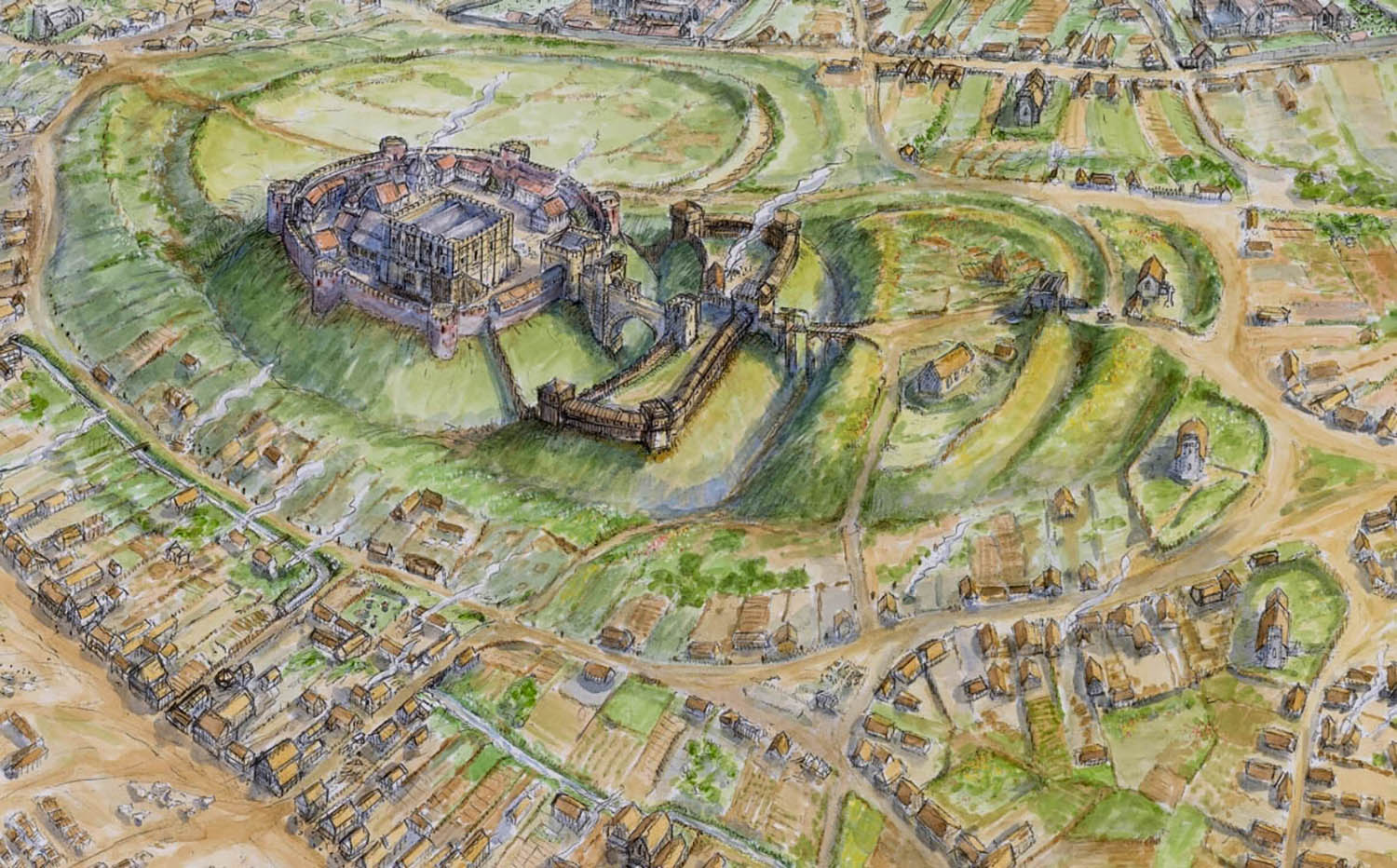
‘New discoveries from the Norwich Castle excavations, viewed in the light of centuries of archaeological investigation.’
DR PAUL SPOERRY,
former Director of Oxford Archaeology East.
‘Major investigations on large-scale infrastructure projects, A new window into the rural medieval landscapes of Norfolk.’
DR MEG BERNSTEIN,
Lecturer in Medieval Art History, UEA.
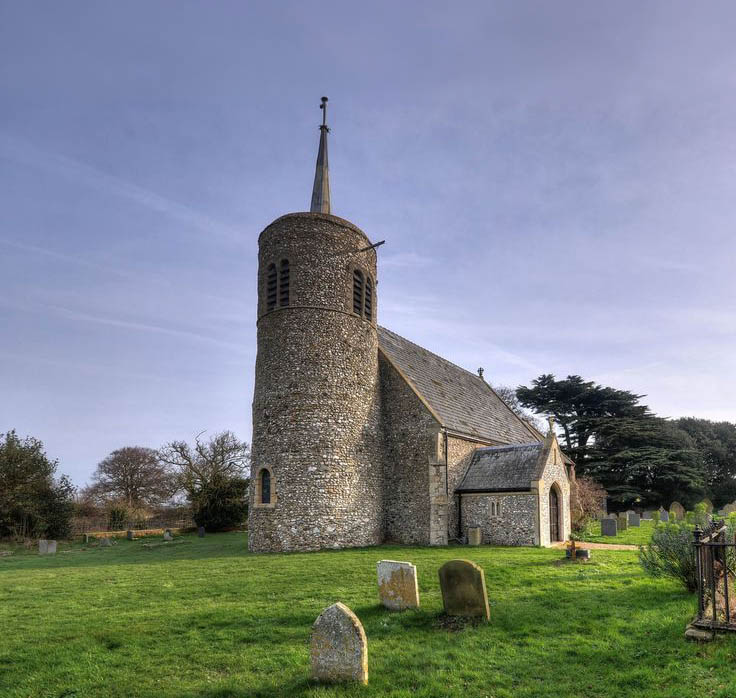
‘Early Parish Churches in Norfolk.’
DR ANDY HUTCHESON,
Sainsbury Lecturer in Archaeology, UEA.
‘Archaeology and Wellbeing – exploring the relationship and the history between these two topics.’
PROFESSOR CLAIRE JOWITT,
Professor of Renaissance Studies and Director of the Shipwrecks and Maritime Heritage Research Centre, UEA.
‘The Gloucester: People and Artefacts, focusing on the medical professionals and artefacts recovered from the famous shipwreck.’
Tickets are £25, including refreshments and lunch.
Book now at TicketSource.
2026 Conference
Book tickets on Ticketsource
Past Conferences
2024 – Coast, Climate and Community Our last conference took place on Saturday April 6th 2024.
Norfolk is a coastal county with a vast array of heritage found on its coastal fringe. From tools and footprints, found at Happisburgh, dating from around 900,000 years ago, through to 20th century military installations placed to protect against invasion, much of this heritage is vulnerable to erosion. With climate change, rates of erosion are set to rise through increased sea level height and stronger storms resulting more energy in weather systems. Storm and surge events, in 1953 and 2013 are likely to become more common and their destructive potential will result in loss of archaeological sites and structures. River systems will also change with a likelihood of more volatile events creating more inland floods and in some parts of the county, such as the Fens and the Broads, the salination of underlying freshwater conditions which are currently preserving archaeological and paleoenvironmental deposits. How can communities deal with these losses?
The conference heard from community archaeology practitioners, academics, health specialists, and there will be an opportunity to take part in a Training Workshop on recording archaeology on the coast led by the Nautical Archaeological Society. There was also an invitation to participate in the inaugural meeting of the Norfolk Community Archaeology Forum, being proposed as a new space for conversations and skill sharing for all Intergovernmental Panel on Climate Change
2022 – A conference dedicated to the memory of Dr Neil Faulkner
What is community archaeology? A precise definition is difficult, but it includes not just ‘digs’, but all the ways people become involved in the subject as non-professionals, and by doing so enrich their experience of the past. Community archaeology can address identity, and help develop belonging and a sense of place, and can be a collaborative way for people from diverse backgrounds to explore and produce narratives related to the past. The themes of the day were: Community and diversity, specialisms, and health and wellbeing
A tribute to Dr Neil Faulkner FSA, who died of cancer on Feb 4th at just 64, was Founder-Director of the Sedgeford Historical and Archaeological Research Project. This shocking and untimely loss came just as this conference was in the final stages of development, and the Council of the Society are grateful to his partner for permission to dedicate the day to the memory of a pioneer in the field.